
The Cellar Becomes the Editor
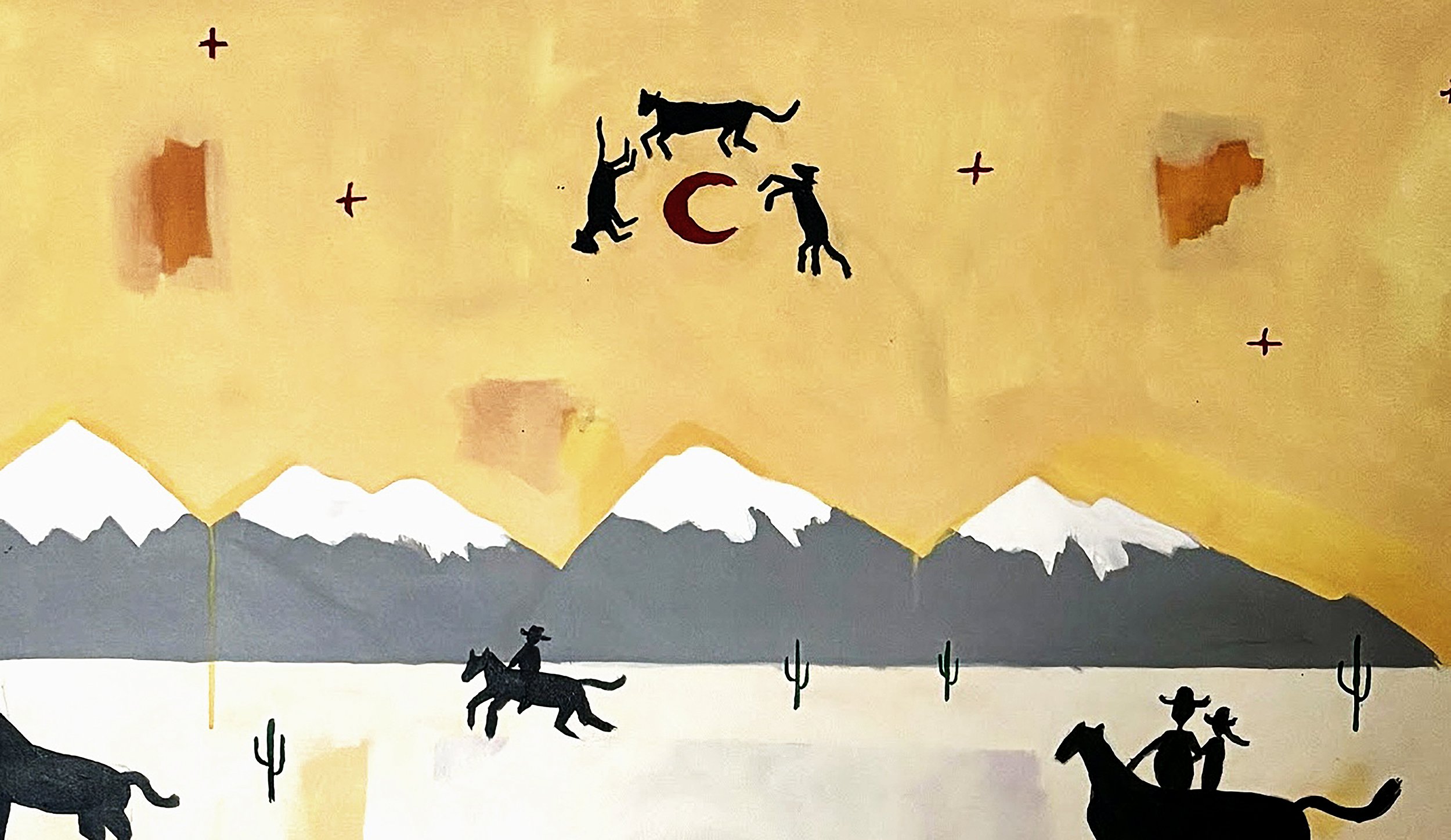
Image detail from ‘No Bold Villain’ by Matt Sinclair. With permission of the artist.
Honestly, these days the first thing that comes to mind as an ideal pairing is a righteously cold glass of Pike’s Riesling and a peaceful fucking change of administration.
Or maybe a structured four-year-old Gamay and a rolling global coup against all the pathologically corrupt narcissists dominating headlines.
But this is where I actually land.
It starts a bit pretentious. So, bear with me.
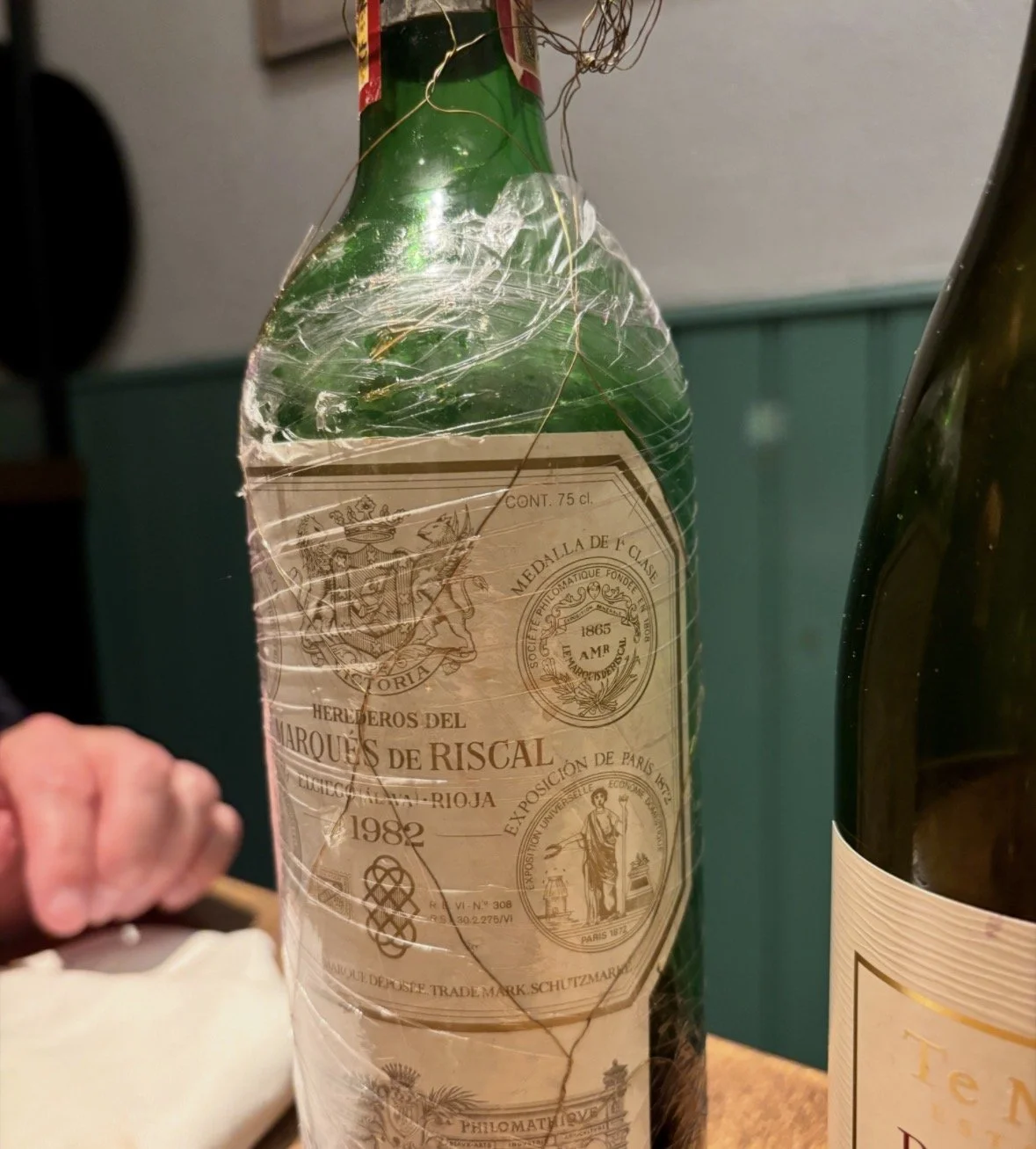
My suggested pairing is an aged Rioja and a short story: a 1982 Marqués de Riscal and ‘Pierre Menard, Author of the Quixote’ by Jorge Louis Borges.
The writer Roberto Bolaño once said ‘I could live under a table reading Borges.’ And I get it. There's something strangely nourishing in Borges’ writing. His stories linger the way certain old wines linger.
Gabriel García Márquez once also described Borges as ‘playing a violin of ice’. There’s a brilliance to his work, a chandelier-like quality, as much as a distance. And an apoliticism within the context of his lifetime that many a young Argentine may find hard to stomach.
Borges liked games: imaginary books, legendary gauchos, knife fights, stories about stories. He blurred fiction and reality with unnerving ease. But hidden somewhere inside all this is a corkscrewed lesson on old wine.
Pierre Menard spends years rewriting Cervantes’ Don Quixote word for word. Borges then argues, straight-faced, that Menard’s version is actually the superior work.
Because of us. Because we are not the same readers anymore.
This idea was maddening to me the first time I read it. Borges’ joke, if it is a joke, is that the exact same sentences represent something entirely different centuries later.
Meaning changes easily enough. Borges’ suggestion is that identity deepens entirely over time, surviving change by absorbing it, and accumulating dimension as it does so.
This idea is less absurd in the company of old wine.
The first sip of a 1982 Marqués de Riscal is not the same as the third.
An older Riscal opened in London in 2026 is not the same wine as it was under Franco’s dictatorship, even if the liquid is recognisably itself.
Wine and literature share a secret: that place persists. The vineyard remains present long after the bottle has left it. While young wine demands attention, old wine rewards patience. They explain themselves only slowly, in a more complex language.
History settles inside old works the way oxygen settles in old bottles. And the older some works become the harder it is to separate the thing itself from everything that has happened to it.
But neither of them works without you.
That's the trick Borges understood, and that good old bottles understand too.
You don't just read or taste them. You finish them.
To drink aged Rioja is to discover that graceful transformation is an art form. Bright red fruit recedes. Earth, cedar, tobacco, dust and dried orange peel emerge.
While a young Rioja may have showstopping concentration, a gracefully aged Rioja tastes of memory. And memory matters. Provenance matters. The drinker matters. Perhaps that is why we treasure such things in difficult times.
Winemakers like to imagine they’re writing the story. And for good reason. But open enough old bottles and another possibility emerges: that time wrote most of it. Somewhere between bottling and opening, authorship changes hands. The cellar becomes the editor.
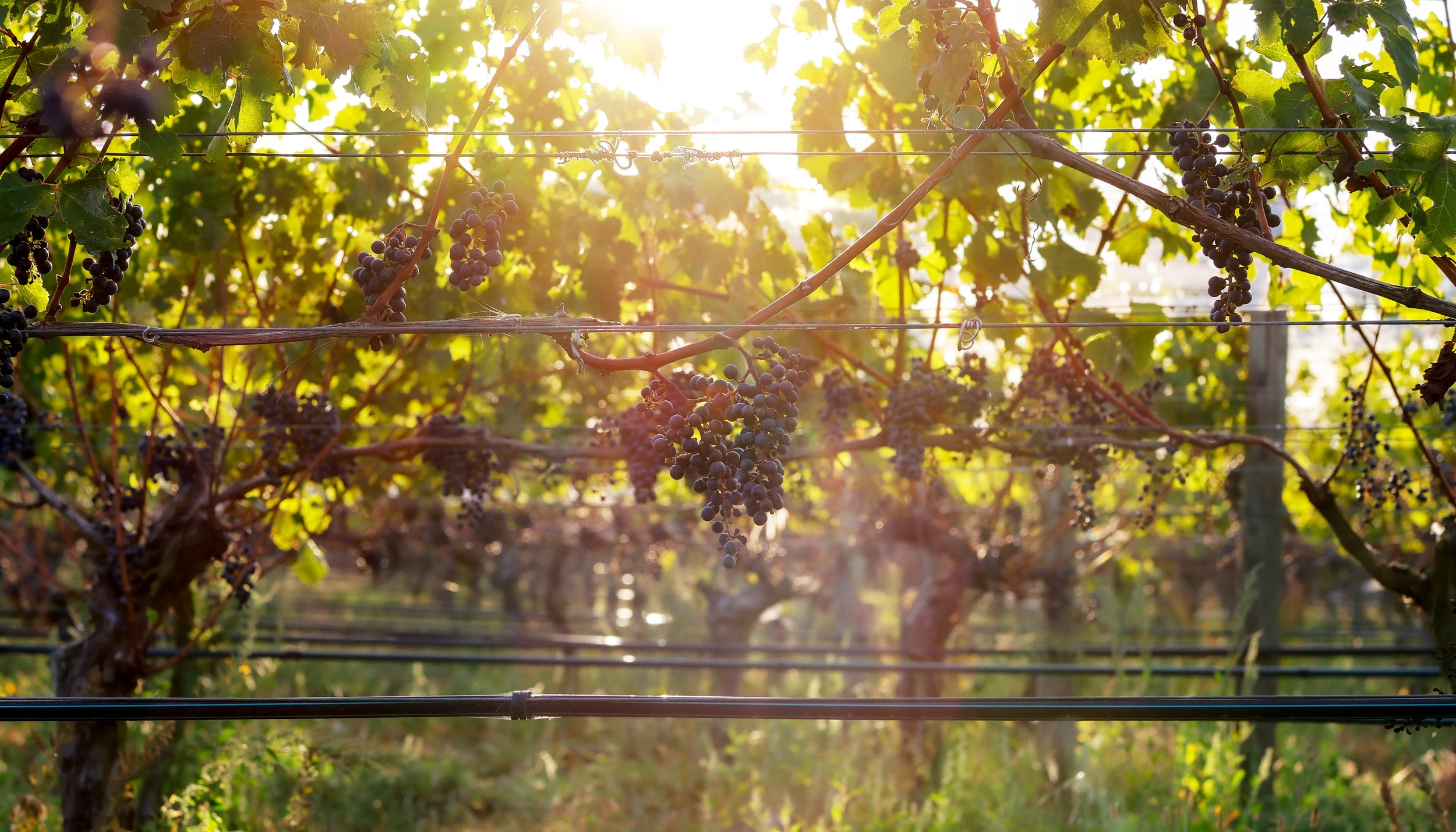
The Tempranillo grape growing under the long shadow of the Sierra Cantabria becomes something unmistakably Riojan, just as the specific legend of Don Quixote wandering the dry plains of La Mancha could only ever emerge from Spain.
Then Borges arrives, centuries later, from Buenos Aires - another Spanish speaking frontier, another dry horizon - with the dust of Europe still clinging to his boots. A Borges who understood that the greatest Spanish traditions survived best far from their point of origin - like Rioja itself, whose finest bottles seem made for exile.
I’ve pondered this since seeing one in Copenhagen last month. Someone spotted it on the menu and called it over like greeting an old friend. It felt strange enjoying it on a cold, dark evening, so far from its home, so many years from its vintage.
Cervantes tells a story. Borges tells the story of reading that story. And Borges does to Cervantes what bottle age does to great Rioja.
He removes the noise, revealing the architecture that was there all along.
Some wines travel well. Some books travel through time. Rarely do both happen at once. And it’s rarer still to find them in each other’s company.
Did I even drink this wine, or read this story, or was I being slowly rewritten by both?
After enough old Rioja, Menard’s project no longer seems absurd.
It feels like the only honest way to write anything at all.
Which is either a profound insight or an expensive excuse to keep opening fabulous old bottles.
Probably both.
Yeah, definitely both.
The 2026 shortlist is here
Vote for your favourite entry by midnight UK time on Monday 15 September.